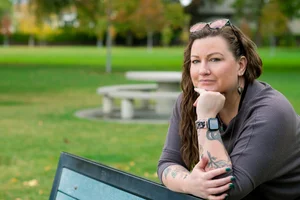
Brainspotting, have you heard of it?
Admittedly, I was skeptical when I heard of this modality.
How is it possible that finding brainspots can help us heal trauma? David Grand, Phd discovered this modality back in the 90’s and since then has trained over 25000 therapists in 30 different countries.
I have since become one of them, curiosity landed me in the training and I was amazed.
Where you look affects how you feel.
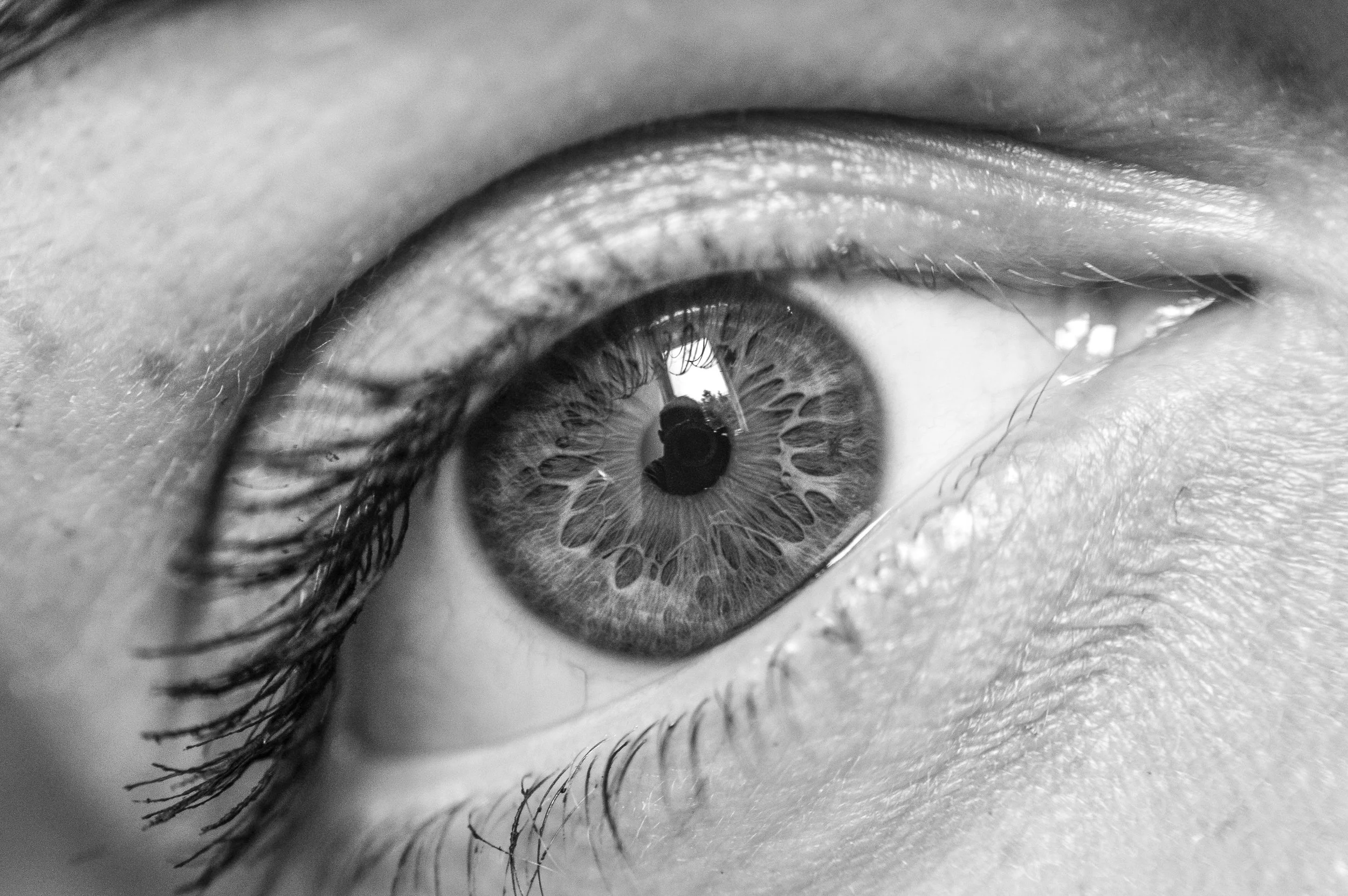
Brainspotting (BSP) is a transformative therapy treatment that helps identify, process, and release core neurophysiological sources of emotional or body pain, trauma, dissociation and a variety of challenging symptoms.
This is the premise that David Grand has been exploring and studying for almost 40 years.
After having my own Brainspotting sessions, I learned that my body has a lot to say when my visual field is stimulated.
A Brain-Body-Based Relational Therapy leading with curiosity, attunement, focused mindfulness, and somatic integration.
All things that are aligned with the way I approach trauma work.
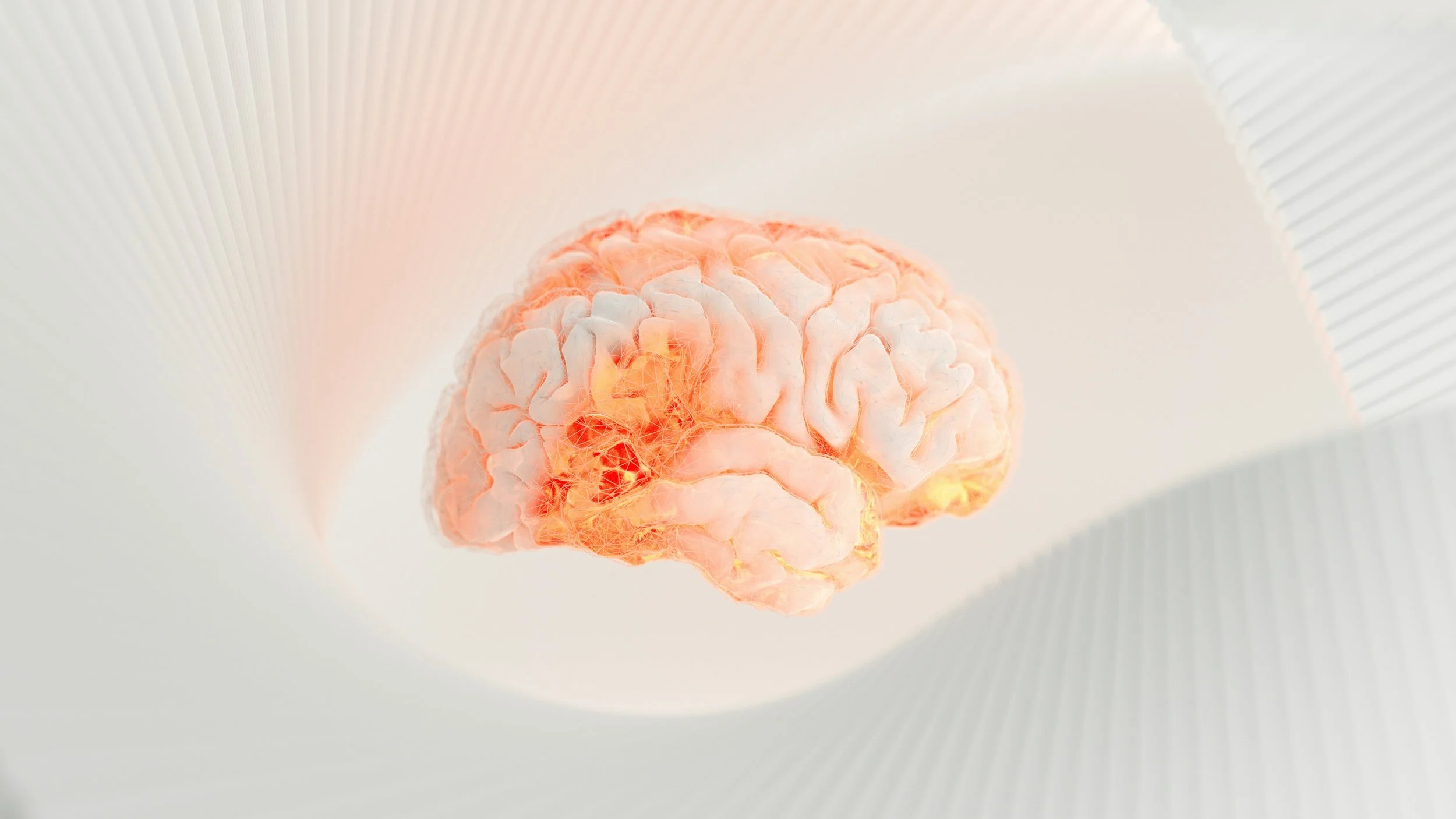
A Brain-Body-Based Relational Therapy leading with curiosity, attunement, focused mindfulness, and somatic integration.
So how does Brainspotting work?
Taking it straight from Brainspotting Canada’s website.
Brainspotting (BSP) is a transformative therapy treatment that helps identify, process, and release core neurophysiological sources of emotional or body pain, trauma, dissociation and a variety of challenging symptoms.
Brainspotting works with the deep brain and the body through its direct access to the autonomic and limbic systems within the body’s central nervous system. Brainspotting is accordingly a physiological tool/treatment which has profound psychological, emotional, and physical consequences.
And what is a Brainspot?
In the context of Brainspotting therapy, a “Brainspot” refers to a specific eye position that is targeted during the therapeutic process. Brainspots are identified based on subtle eye movements, known as “oculomotor reflexes,” which indicate areas of heightened brain activity related to unresolved trauma or emotional distress.
By focusing on these Brainspots, individuals can access and process deep-seated emotions, memories, and sensations associated with their traumatic experiences.
Brainspotting leverages the brain’s natural healing abilities by engaging specific neural pathways through visual stimulation.
As a powerful therapeutic technique, Brainspotting enables individuals to address unresolved emotional material and promote healing and emotional resolution.
What can Brainspotting help with?
But certainly not limited to.
Trauma:
Brainspotting is particularly well-suited for trauma processing and healing. It can help individuals process and release the emotional impact of various types of trauma, such as childhood abuse, accidents, natural disasters, or combat-related experiences.
Anxiety and Phobias:
Brainspotting can assist in alleviating anxiety disorders, including generalized anxiety disorder, social anxiety, panic disorder, and specific phobias. It helps individuals identify and process the underlying fears and triggers contributing to their anxiety.
Performance Anxiety:
Brainspotting can help individuals overcome performance anxiety in various domains, such as sports, public speaking, artistic performances, or academic pursuits. It assists in accessing and processing the underlying fears and self-limiting beliefs that hinder performance.
Self-Esteem and Personal Growth:
Brainspotting can promote personal growth and enhance self-esteem by helping individuals uncover and process self-limiting beliefs, past traumas, and emotional blocks that hinder their development and self-worth.
Brainspotting works by helping the brain and body access, process, and resolve stored emotional experiences—often beyond what words alone can reach.
With care,
Kimberly Castle,
MTC, RCS, CC-BRT, SEP®
Reclaiming presence, fostering resilience, and returning to our amazing biology that knows what to do when given time and space.
Kimberly Castle is a Somatic Experiencing Practitioner® and a registered counsellor with a private practice in beautiful Kelowna, BC. She focuses on Kelowna Counselling She and her team specialize in Somatic Therapy where sessions are gentle, non-invasive, and guided at your pace.