
Therapy Intensives
Therapy Intensives for a weekend of Deep Healing in Kelowna, BC.

You have been doing talk therapy for a long time and you keep bumping into the same sticky stuff.
Uninterrupted time to slow down and work through what’s been stuck.
Brainspotting is at the center of my therapy intensives. In our one-to-one time together, we focus on an experience or pattern that continues to affect you.
Through attunement, we make room to notice how your body responds in the moment. Subcortical regions of the brain help shape automatic protective reactions like bracing or freezing. Attending to these automatic responses at a pace that feels manageable gives your nervous system room to self-organize, so it can respond more flexibly to what’s happening now.
-
As we explore and discover memory capsules that are “stuck” in the subcortical regions, we meet different parts of yourself that might have been in protective role for decades. You might be aware of these parts cognitively, and other times some parts show up in different ways, such as images or senses. Interweaving Internal Family Systems (parts-work) helps us meet them with compassion and curiosity.
Through Somatic Experiencing (SE), we titrate into the experiences, as to not overwhelm you, thus becoming an experience that is appropriately paced and respectful of your physiology.
We give space for integration through a restorative somatic experience. This gives you time to notice what feels different, what still needs care, and what might support you as you return to the rest of your day.
Together, these approaches invite you to notice sympathetic charge in your body and explore what helps your nervous system rest into a parasympathetic state.

Intensives may be a good fit if you:
Want deeper, uninterrupted time for trauma or nervous system work
Feel stuck in weekly therapy and want to move something forward
Are navigating a specific life transition or emotional block
Prefer fewer sessions with more depth
Understanding Brainspotting Intensives:
-
Brainspotting (BSP) is a powerful, neuroexperiential-focused treatment method that easily integrates into other therapies. At its core, BSP draws upon both the neurobiological attunement and the therapist’s deep relational attunement to the client. The two attunements work together to create a powerful framework that enhances healing and expansion. Past traumatic experiences can overwhelm one’s nervous system. BSP allows us to gain direct access to the subcortical brain (where deep memories and emotions have been captured). The eye position acts as an entry point. By processing at those direct entryways (Brain spots), we can relieve and heal sources of pain/trauma. This process involves the body’s central nervous system, which plays a crucial role in processing trauma and emotional stress. By interacting with the midbrain, BSP helps regulate the body’s responses to trauma, leading to healing and performance enhancement. Brainspotting works by helping individuals access and process traumatic experiences that have become trapped in their bodies and minds, facilitating healing trauma. Brainspotting enables therapists to access emotions more deeply by helping clients position their gaze to target sources of negative feelings. BSP was developed by David Grand, Ph.D. in 2003. Brainspotting is a nervous system regulating process.
-
Brainspotting sessions are guided by several core principles that ensure a secure and effective therapeutic experience. These principles include:
Client-centered approach: In Brainspotting sessions, the client’s needs and responses take center stage. The therapist tailors the session to the client’s unique experiences, rather than following a predetermined agenda. This personalized approach helps create a more meaningful and effective therapeutic process.
Mindful presence: A key aspect of Brainspotting therapy is the therapist’s mindful and non-judgmental presence. By maintaining a calm and supportive environment, the therapist allows the client to explore and process their emotions and experiences without fear of judgment or pressure. While also teaching the client how to process without judgment or criticism.
Dual-attunement: During Brainspotting sessions, the therapist attunes to both the client’s verbal and non-verbal cues (somatic cues), as well as their own internal experience. This dual attunement fosters a deep sense of resonance and connection, enhancing the therapeutic relationship and facilitating healing. We find that the dual-attunement present helps people to drop deeper into the sub-cortex for more powerful healing experiences.
Somatic tracking: Brainspotting therapy emphasizes the importance of somatic tracking. The therapist helps the client become more aware of their physical sensations and bodily responses, which can provide valuable insights into their emotional and psychological state. This awareness is crucial for processing and releasing trauma. Somatic experiencing is often integrated into Brainspotting to address the brain-body connection and facilitate trauma processing.
Processing and release: The ultimate goal of Brainspotting sessions is to guide the client through a process of identifying, processing, and integrating traumatic memories, somatic pain, and emotions. Brainspotting helps clients process trauma by accessing and releasing trauma stored in the brain without needing to relieve the traumatic experiences. This process promotes a sense of resolution, helping clients move forward with a greater sense of peace and well-being and noticing differences in their physical sensations, thoughts, and behaviors.
Brainspotting also helps individuals process deep emotions associated with their traumatic experiences, ultimately facilitating recovery and emotional release.
-
Sometimes, in a 50-minute session, we’re just getting to what matters when it’s time to wrap up. As your counsellor, I might slow us down or wait to open something tender so we have enough time to close the session. On a day with back-to-back appointments, it can also be harder to bring the same quality of attention to every session.
In a Brainspotting intensive, I set aside a longer block of time just for you. With no one waiting for the next appointment, we can both lean into what comes up and decide together when to stay with it, when to pause, and what you need before you leave. That extra time gives us room to work with bigger or more layered experiences that we might only begin to touch in a regular session.
An unhurried session also makes room for the parts of your experience that are hard to put into words. We might sit quietly, notice a sensation, or give an emotion time to settle. We shape the session together so you have room to process and make sense of what comes up at your own pace.
An intensive can also make counselling easier to fit into your life. If it’s hard to carve out time once or twice a week, setting aside one longer block may be more manageable. And if you live in a smaller community where local options are limited, an intensive may make it easier to travel for the kind of support you’re looking for.
-
BSP is a way to work on trauma or painful emotions in a secure environment, specifically targeting emotional trauma or somatic experiences in the body. It can also help in decreasing physical and emotional symptoms associated with distressing traumatic events, leading to improved overall mental health.
Brainspotting helps process and release painful memories, allowing individuals to address and move past these challenging experiences. It can also help in decreasing physical and emotional symptoms associated with distressing traumatic events, leading to improved overall mental health. Brainspotting helps individuals access and process negative emotions, which are often tied to these traumatic experiences.
It can also be used to find and strengthen resources and resiliency and to enhance positive feelings and performance. A lot of times, we can get stuck in emotional responses and maladaptive patterns of behavior that often seem impossible to change or resolve.
Through Brainspotting, individuals tend to escape these stuck patterns.
They find relief from painful emotional experiences and repetitive feelings.
-
Since there are 1-4 quadrillion neurons in the brain, the possibilities of what your session may look like are infinite and highly attuned to your individual needs. Further conversations with your clinician is needed to explore what could happen in a session.
-
Physical & Physiological Preparation
Sleep Rhythms: Prioritize 7–9 hours of sleep per night for at least 2 to 3 nights leading up to your intensive. Avoid late nights or high-stress evening activities immediately before your session.
Hydration: Deep neurobiological processing consumes high levels of cellular energy and hydration. Increase your water intake starting 48 hours prior, and consider adding electrolytes the morning of your session.
Nourishment: Eat a balanced, grounding, protein-rich meal prior to arrival. Avoid heavy caffeine spikes right before your session, as high doses can over-stimulate the sympathetic nervous system and mask subtle somatic cues.
Alcohol & Substances: Refrain from consuming alcohol, recreational drugs, or non-prescribed mood-altering substances for at least 48 hours before your intensive.
Prescription Medications: Continue taking all daily prescribed medications (such as blood pressure, thyroid, or psychiatric medications) as directed by your physician. Do not stop or alter dosages before your session. If you take as-needed anxiety medications (e.g., benzodiazepines), discuss timing with me during your pre-intensive consultation.
Schedule, Work & Environmental Boundaries
Work Clearances: Take the entire day off from work responsibilities. Set an "Out of Office" auto-responder for your email and phone so you are not tempted to check messages during breaks.
Childcare & Family Responsibilities: Arrange complete coverage for children, dependents, and pets for the entire day, extending at least 3 to 4 hours past your scheduled session end time.
Household Chores & To-Dos: Complete essential household tasks (laundry, meal prep, urgent errands) the day before your intensive so you can return home to a clean, quiet, and low-demand environment.
What to Bring: Comfort & Somatic Items
Clothing
Loose, comfortable layers.(sweatpants, soft sweaters, cozy socks).
Body temperature often fluctuates during nervous system processing.
Comfort Anchors
Weighted blanket/lap pad, grounding stone, favorite pillow, tactile fidget.
Provides physical grounding during deep emotional or somatic processing.
Hydration & Snacks
Water bottle with straw, electrolyte packets, simple grounding snacks (nuts, protein bars, fruit).
Sustains physical stamina and metabolic energy throughout long session blocks.
Journaling Tools
Personal notebook or journal and a dedicated pen.
Captures emerging insights, dream notes, or themes between processing blocks.
-
This is further discussed during the initial 30 minute consultation.
Standard Exclusionary Factors: Active unmanaged psychosis, acute severe substance dependence, active high-risk self-harm/suicidality, severe unmanaged dissociation without grounding capacity, active unsafe home environment.
A Powerful, Neuroexperiential Approach to Healing
Brainspotting combines focused mindfulness, eye positioning, brain science and nervous system awareness with a strong therapeutic relationship to support the brain's natural capacity for healing and growth.
Example of Therapy Intensives Schedule

Half-day Mini Intensive
A half-day 4-hour intensive includes
15-minute break, usually around the 90-minute mark.
The session is scheduled to close with a 30 minute Restorative Somatic Session.
In Kelowna Office or Online.
Scheduled on Fridays and Saturdays only.

Full-day Intensive
1:00 PM Start time
Processing for up to 2 Hours
3:00 PM Walk and Food Break
4:00 pm Up to 2 Hours of Processing
6:00 - 7:00 PM Restorative Somatic Session
In Kelowna Office or Online.
*Scheduled on Saturdays.

Two-day Intensive
10:00 AM Start time
Processing for up to 2 Hours
12:00 PM Walk and Food Break
1:00 PM Up to 2 Hours of Processing
3:00 Shorter Break
3:30-4:30 Processing for up to 1.5 hours
5:00 PM Restorative Somatic Session
In Kelowna Office or Online.
*Scheduled on Fridays & Saturdays

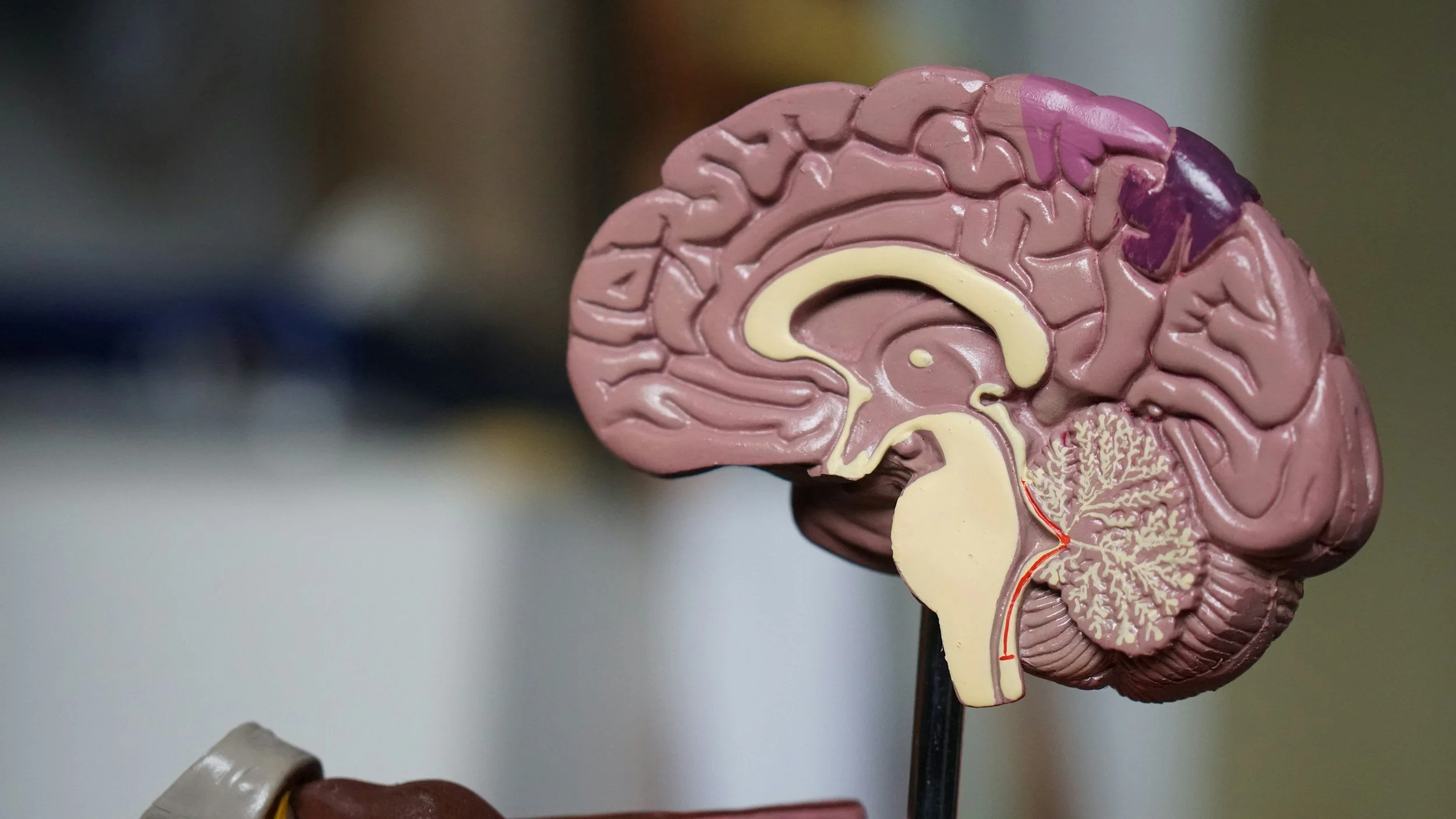
Some of the brain circuits that help us respond to threat sit beneath the brain’s outer layer, in what we call subcortical regions.
Extended intensive sessions engage deep subcortical processing and somatic memory release.

“I spent so much time disconnected from my body. When I did Brainspotting I could feel it at a cellular level. “

“After only my 4th Brainspotting session, I felt a renewed sense of hope.”

“I can't explain what this weird thing is but I can see and feel real changes in my life.”
Therapy Intensive Pricing
For intensives, we require a 50% deposit at the time of booking.
Half-day Mini Intensive
$750
The 4-Hour Half-Day Intensive
This includes a consultation, assessment, and planning.
It includes up to 3 hours of processing and a one-hour restorative somatic session.
Wholesome snacks and warm beverages provided.
A 1-week post-intensive check-in, in person or online.
Full Day Intensive
$1050
The one-day intensive includes a consultation, assessment, and planning session.
6 Hour Counselling Intensive day
1 hour Restorative Somatic Experience
Wholesome nourishing food & warm beverages provided
1-week post-check-in session, in person or online.
Two Day Intensive
$2000
The two-day intensive includes a consultation, assessment, and planning session.
2 back to back 6 Hour Counselling Intensive days
1 hour Restorative Somatic Experience at the end of each day.
Wholesome nourishing food & warm beverages provided
1-week post-check-in session, in person or online.
We have partnered with Ifinance for optional payment plans for full day and two day intensives.

The longest journey you will ever take is from your Head to your Heart.
Thich Nhat Hanh